- New


 Cart
(0)


Mexico
Cup Notes: Chocolate, Hazelnut, sugar cane
Grown organically in Chiapas, Mexico, this coffee is naturally decaffeinated through the Mountain Water Process using pure spring water and no chemical solvents.
Each sip is as comforting as a square of hazelnut chocolate after dinner.
Suggested for espresso and filter
when we roast
We freshly roast to order all coffees on Monday, Wednesday and Friday (excluding national holidays), and ship the same day! Cut-off time is 11:59pm (UTC+1) of the day before the roast day. *We only ship whole beans*
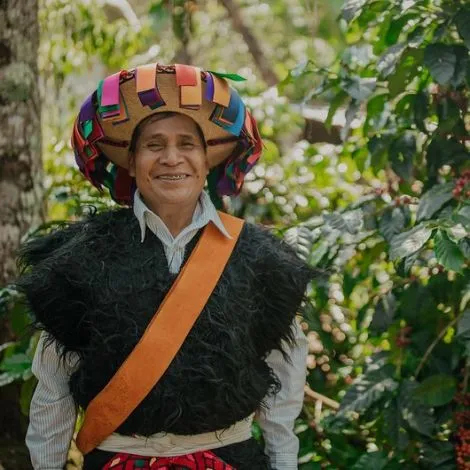
In the highlands of Chiapas, Mexico, some of the most careful work happens on the small patios beside the growers’ homes. Here, freshly washed coffee dries close to the families who grew it. Before delivery, growers look through the parchment coffee once more, picking out the occasional dried cherry or fragment of skin by hand.
Ki-Saya takes its name from two Mayan words: Ki, meaning “tasty”, and Saayab, meaning “nature”. Smallholder farmers grow this coffee organically beneath native shade trees, at elevations of 1200 to 1800 metres. After selecting and pulping the cherries, they let the beans ferment for 12 to 17 hours before washing them and spreading them out on the patios to dry.
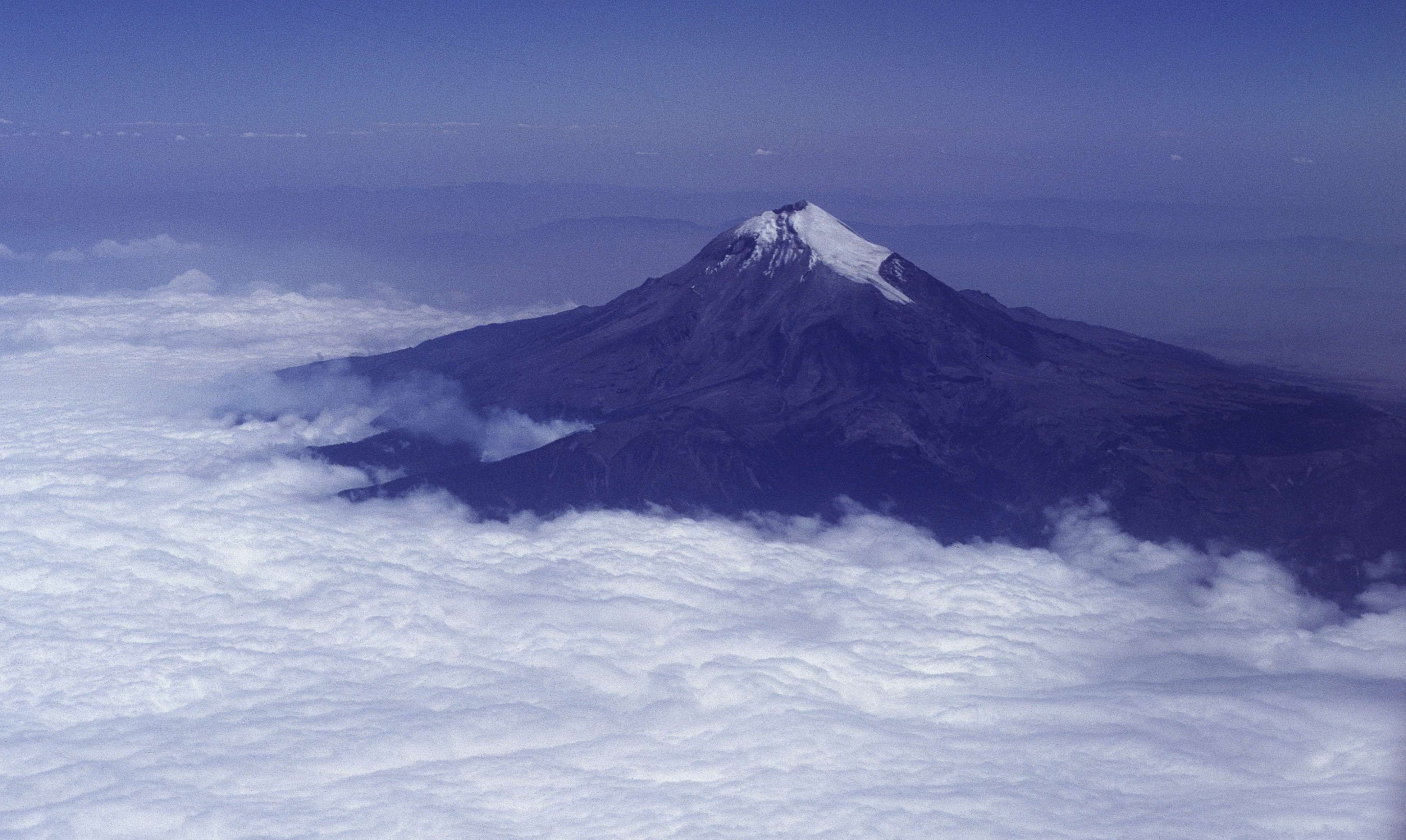
The coffee’s journey then leads to another Mexican mountain, Pico de Orizaba. Its spring water is used in the Mountain Water Process to gently remove caffeine from the green beans without chemical solvents. In the cup, chocolate and roasted hazelnut come together with the mellow sweetness of brown sugar, like a piece of praline melting on the tongue.
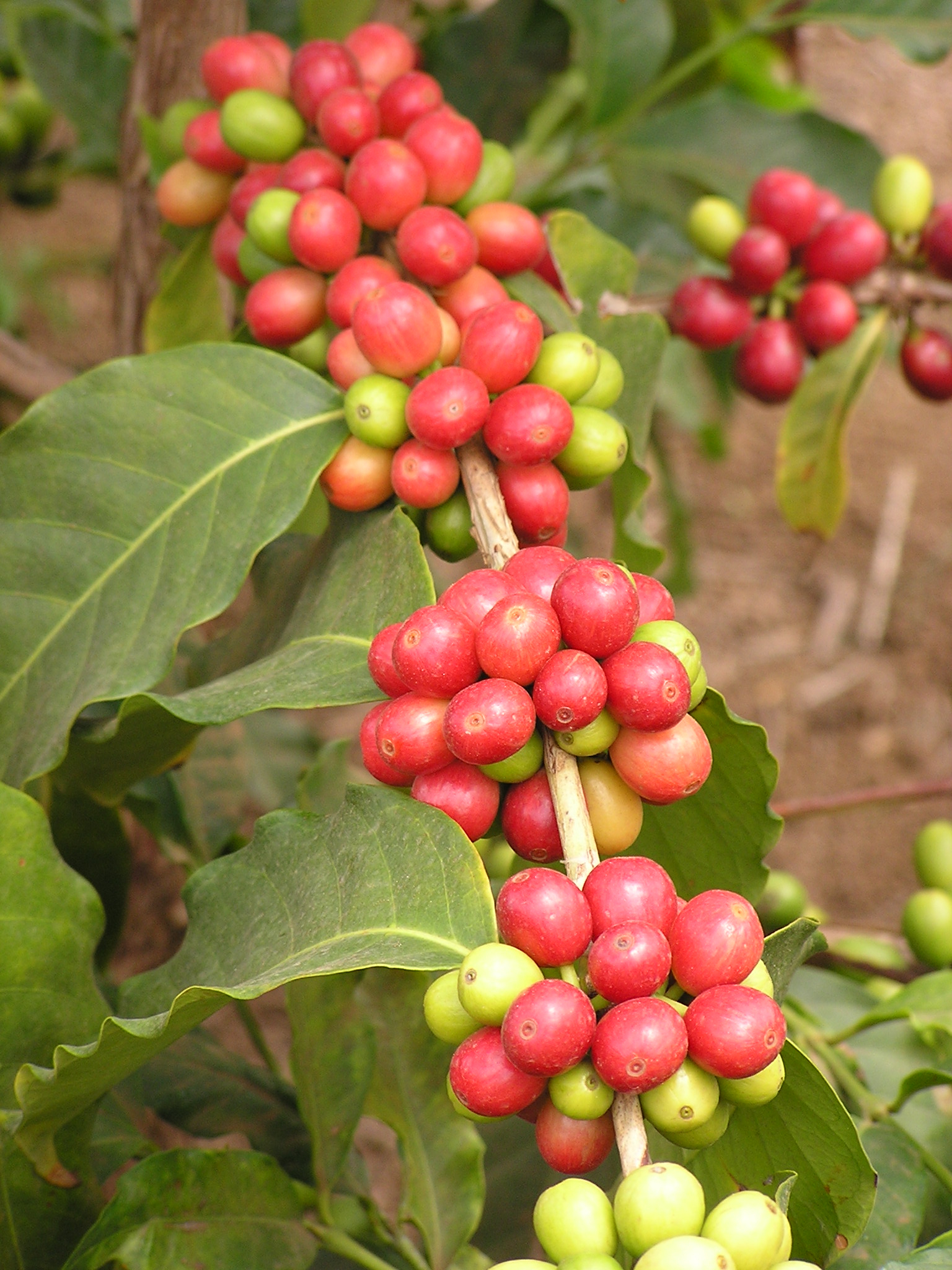
Caturra is a natural mutation of Bourbon first identified in Minas Gerais, Brazil, in the early 1900s. Its short stature and closely spaced branches allow farmers to grow trees closer together, a trait that helped make it one of Central America’s most widely planted Arabica varieties. caturra
Costa Rica is the name recorded on the Ki-Saya lot sheet. Growers in Chiapas use this name for a coffee in the Catimor family. One possible identification is Costa Rica 95, a compact, productive cultivar suited to warm conditions and acidic soils, although the lot sheet does not specify the selection. eu.covoyacoffee.com
Marsellesa was selected in Nicaragua from a cross between Villa Sarchí and the Timor Hybrid. Released in 2009, it was bred for resistance to coffee leaf rust and is known for its lively acidity in the cup. marsellesa
Typica is one of Arabica’s historic varieties, cultivated in Mexico since the late eighteenth century. Its tall trees produce relatively small harvests of large beans, prized for their cup quality at higher elevations.
The Mountain Water Process uses spring water from Pico de Orizaba, Mexico’s highest mountain, to decaffeinate green coffee without added chemical solvents.
The green beans are gently steamed, then immersed in water already saturated with soluble compounds from green coffee. This allows caffeine to move from the beans into the water while helping preserve the compounds that shape the coffee’s flavour. A filter captures the caffeine from the circulating water.
The process removes more than 97% of the naturally occurring caffeine. After extraction, the beans are gently dried in three stages and polished before roasting.