Specialty coffee is recognised for the distinctive qualities that make it valuable to the people who produce, trade and enjoy it.
Those qualities include flavour, aroma and texture, as well as information about the coffee’s origin, producer and processing. The Specialty Coffee Association’s current approach goes beyond a single numerical score.
A coffee’s character develops through variety, growing conditions, harvesting, processing, roasting and brewing. At Gardelli, we start with careful tasting and traceable origins.
Every lot responds differently to roasting. Rubens tests different profiles and tastes the results before choosing the one that best expresses the coffee’s character.
We use one roast profile for each lot, designed for both espresso and filter brewing.
Freshly roasted coffee releases carbon dioxide and often benefits from some resting time. The ideal time to brew varies with the coffee, roast, storage conditions and brewing method.
Store your coffee in a cool, dry place, away from heat and direct sunlight. Keep the bag sealed and open it only when needed. Once opened, reseal it carefully and use the coffee regularly to enjoy its changing flavours.
The best-before date on the bag is different from a recommended peak-flavour window. Always follow the storage information on the packaging.
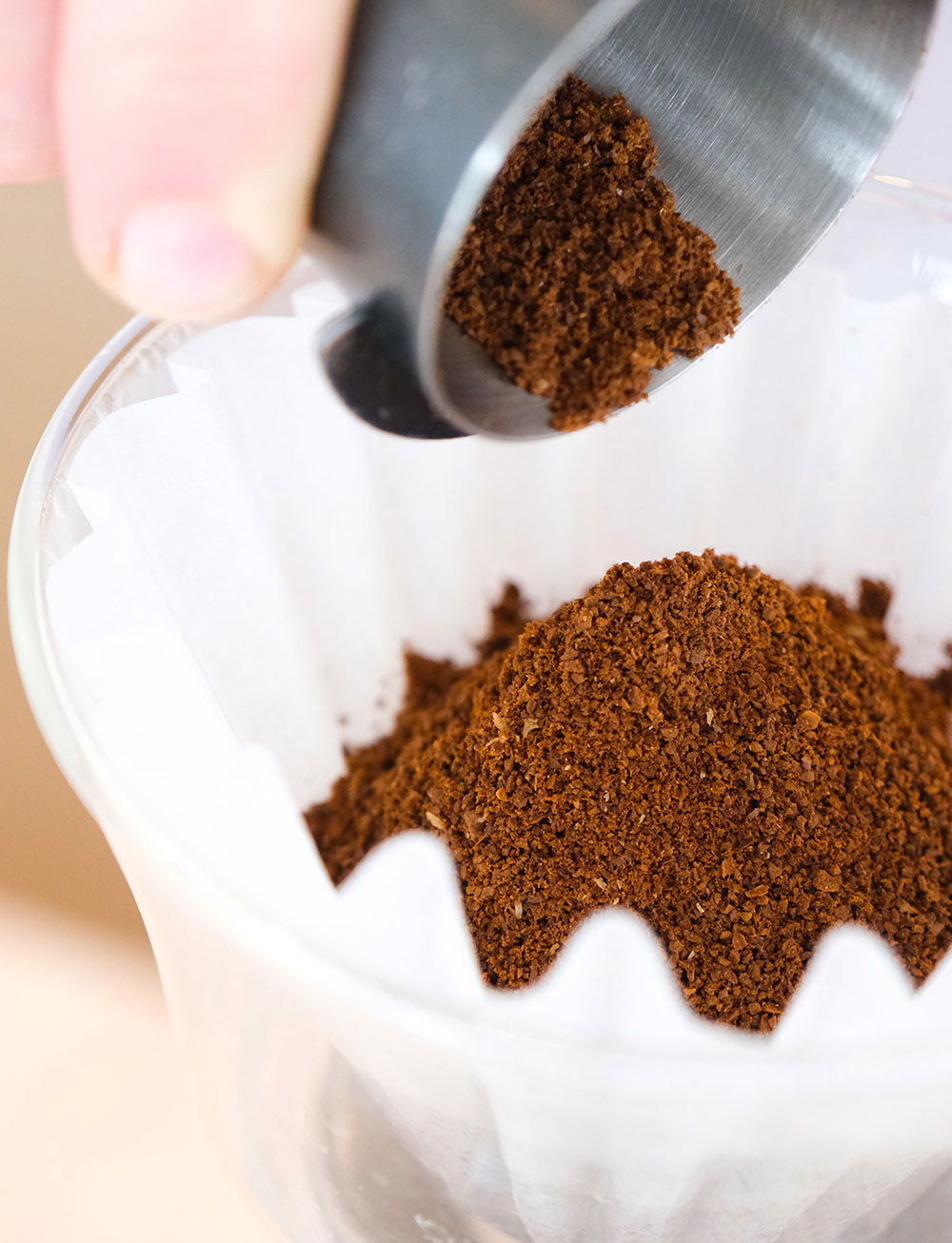
Grind only the amount you need, just before brewing. Ground coffee has more surface area exposed to air, so its aroma changes faster than that of whole beans.
Choose a burr grinder that produces a consistent grind and lets you make small adjustments. Both manual and electric grinders can work well.
As starting points, use a fine grind for espresso, a medium to medium-fine grind for pour-over and a coarser grind for French press. Adjust according to the result in your cup.
Water affects both extraction and flavour. Use clean, fresh water without a noticeable chlorine smell or taste.
Mineral composition matters: total dissolved solids alone do not tell you whether water is suitable for coffee. Hardness and alkalinity also influence brewing and the performance of your equipment.
For espresso machines, follow the manufacturer’s water specifications. If you use a filter or coffee brewing minerals, follow the product instructions and use the correct formulation for your method.
Clean brewing equipment after use to prevent coffee oils and residue from affecting flavour.
Maintain your grinder, espresso machine, filter baskets and other parts according to the manufacturer’s instructions. Use products intended for the equipment.
Only backflush an espresso machine if its manufacturer specifies this procedure for your model.
Burrs, seals and other components wear at different rates depending on their design and use. Inspect and replace them as needed rather than following one fixed schedule for every machine. Manual grinders also need cleaning and may eventually need replacement parts.