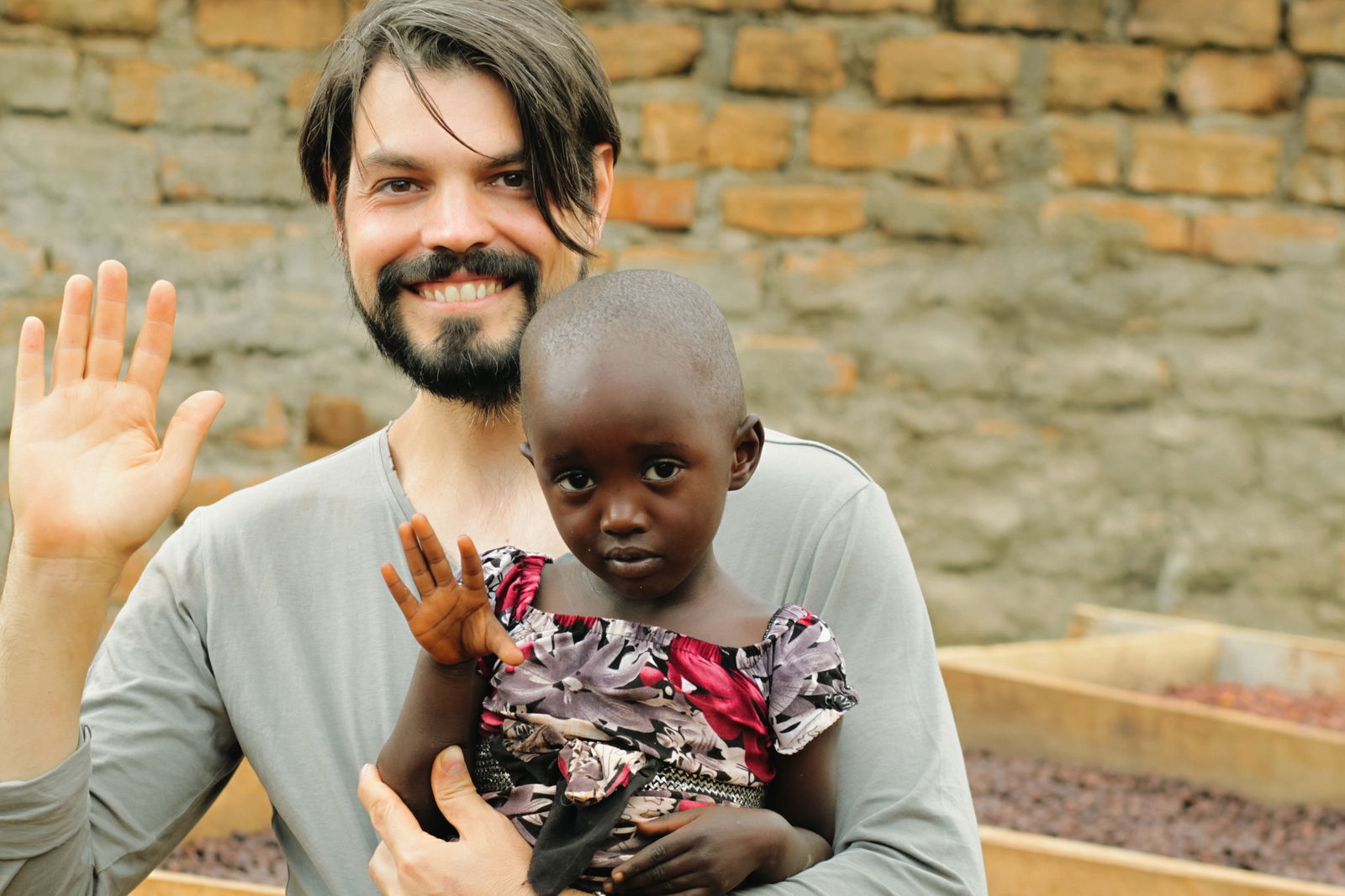
The Mzungu Project began with a search for coffee for the Italian Brewers Cup. Rubens initially needed only 20–30 kg, but soon realised that such a small purchase would have little impact on the producers he was getting to know.
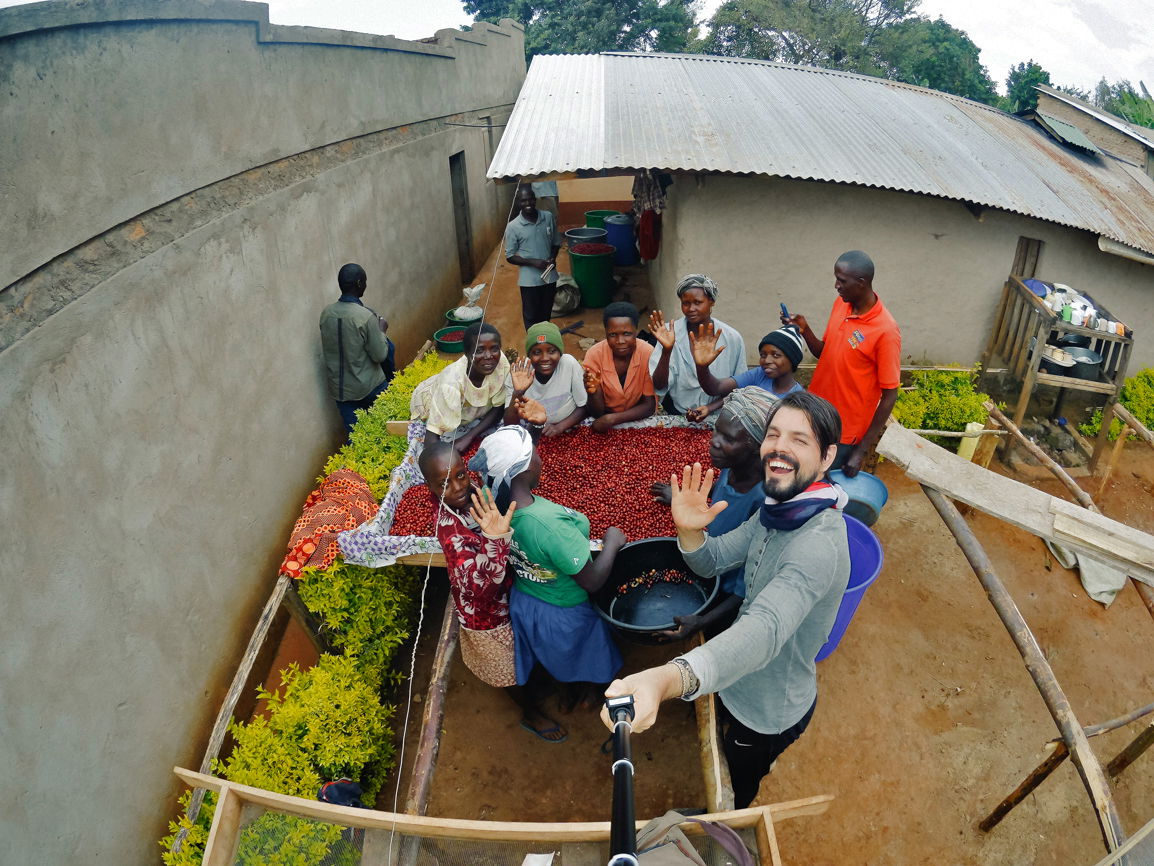
He wanted to build a longer relationship and take part in the processing work. For the first harvest, he bought the entire production: 3200 kg of dried coffee cherries, which yielded 28 bags of green coffee, each weighing 60 kg, after hulling.
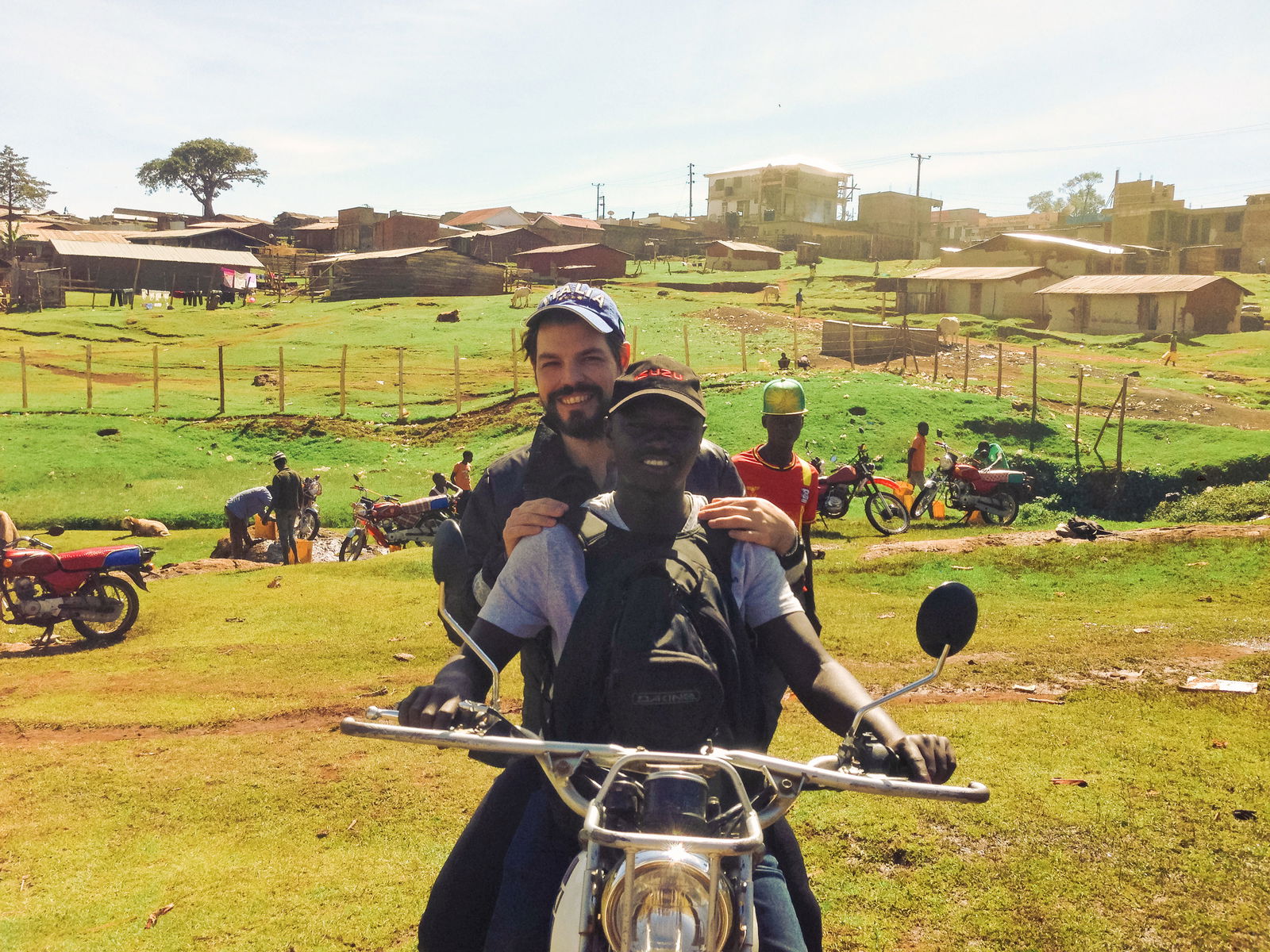
“Mzungu” was the nickname local people gave Rubens as he travelled between farms by bicycle. Commonly used locally to refer to a white person, the word became the name of the project.


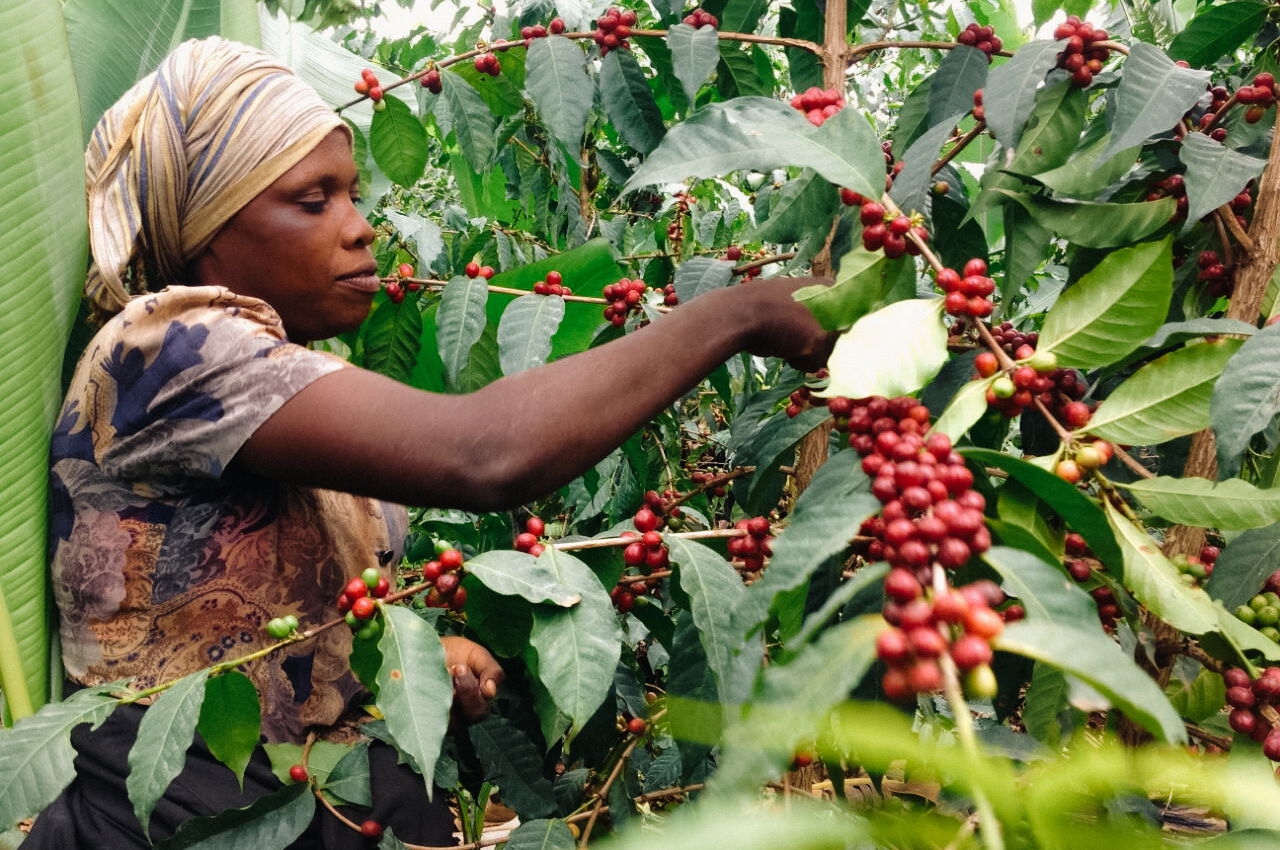
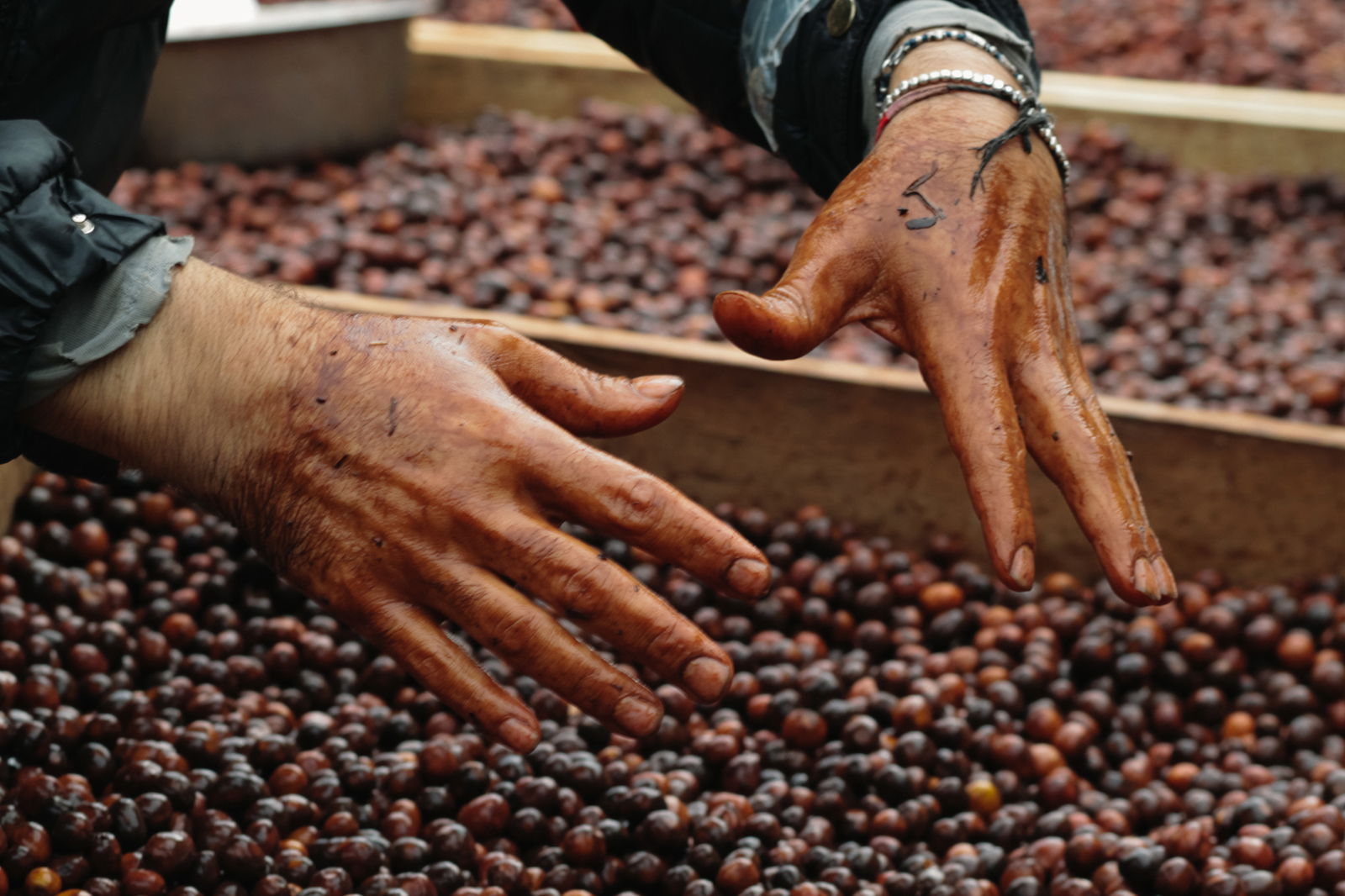
Rubens saw potential in Uganda’s growing conditions and varieties such as SL14. Working with his local partner, Dison, he visited producers and shared ideas on cherry sorting, fermentation and drying.
Together, they developed seven experimental microlots, testing different methods to explore the coffees’ flavour.
Centralised processing and milling helped keep the lots traceable to the farms they came from. For that first harvest, Rubens recalls paying around 50% more than producers had previously received, with a clear focus on quality.
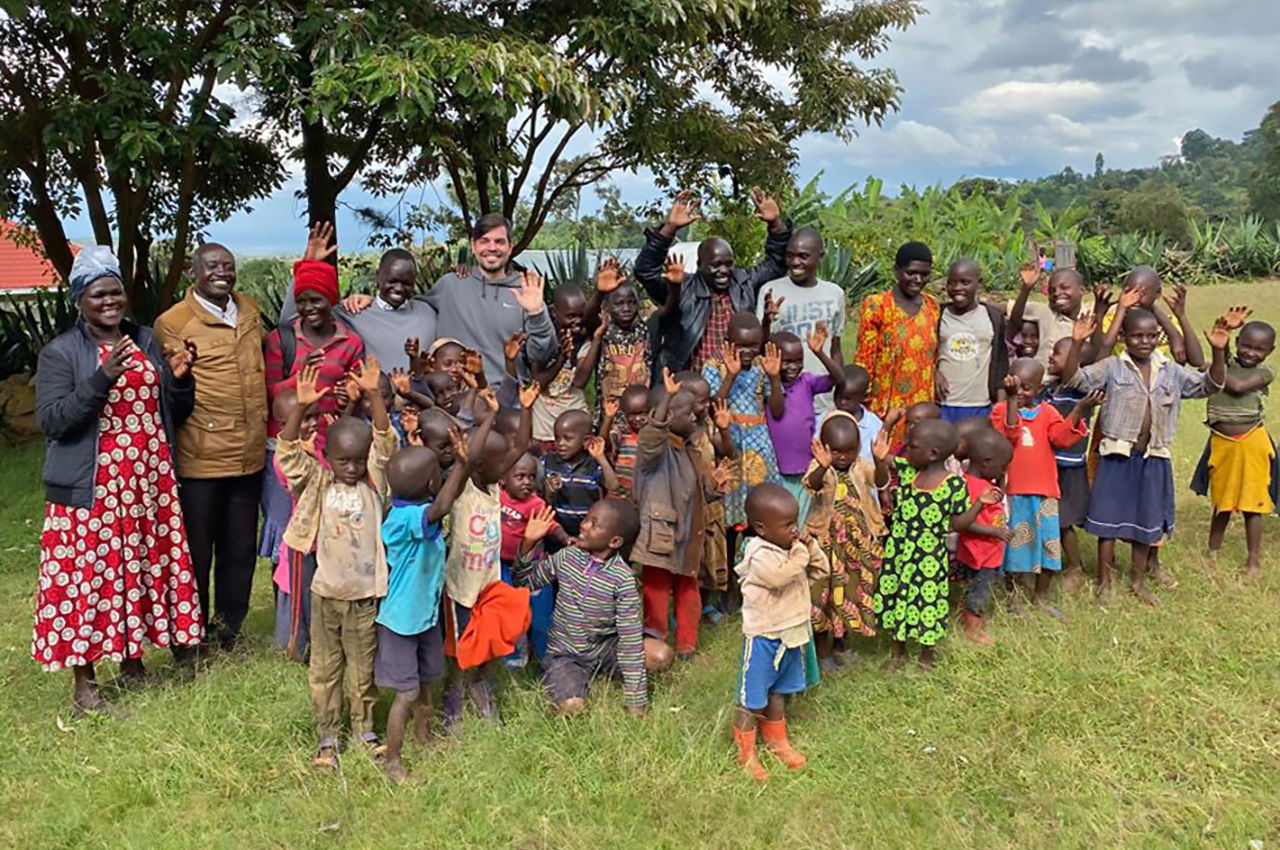
The project became a collaboration built on practical work, experimentation and learning from one another.

Watch our Mzungu Project playlist for a closer look at the farms, the people and the work behind Mzungu Project. Subscribe to our YouTube channel to follow future stories.
Original reporting: Cristina Caroli, Aroma, for European Coffee Trip.