 Cart
(0)
Cart
(0)





Burundi
Cup Notes: Strawberry Sherbet, Brown Sugar, Cucumber, Peach.
Refreshing and clean in the cup, this coffee reveals vibrant notes of strawberry sherbet and ripe peach, balanced by the sweetness of brown sugar and a delicate hint of cucumber.
Suggested for espresso and filter
when we roast
We freshly roast to order all coffees on Monday, Wednesday and Friday (excluding national holidays), and ship the same day! Cut-off time is 11:59pm (UTC+1) of the day before the roast day. *We only ship whole beans*
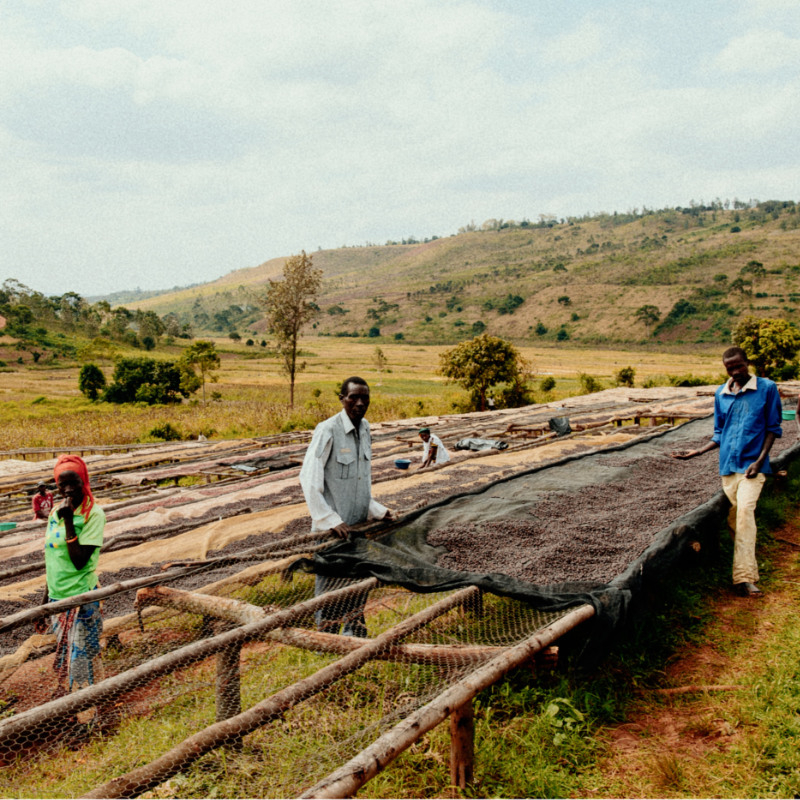
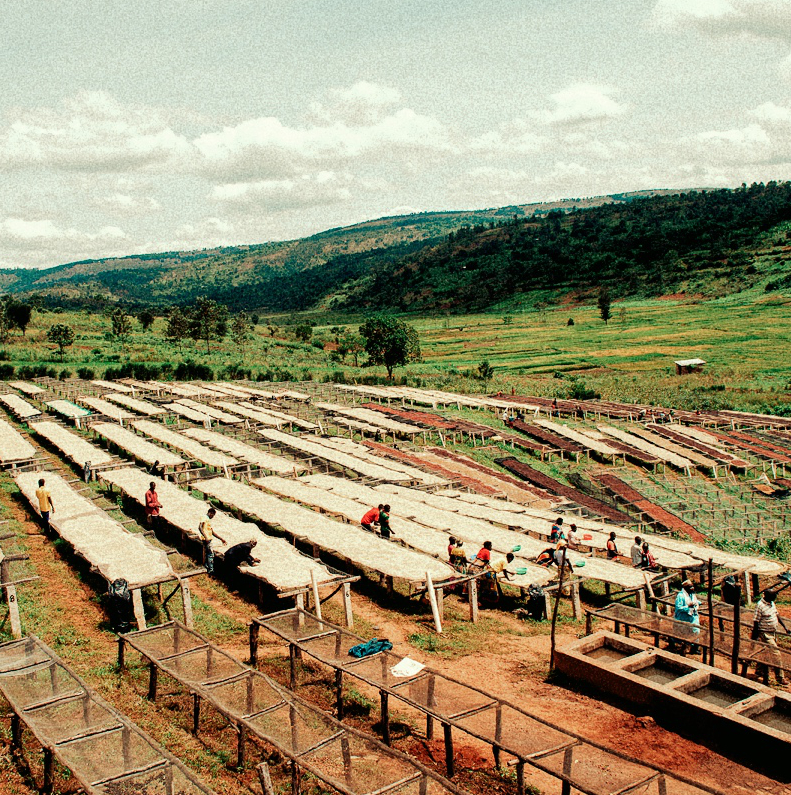
This lot was produced at Nyagishiru CWS, located near the Ruvubu River in the Buhinyuza commune (Muyinga Province), in the northeast of Burundi.
The region is characterized by rolling hills, volcanic soil, and an average elevation ranging from 1,500 to 1,800 meters above sea level. The area is crossed by tributaries of the Nile basin and borders the Ruvubu National Park, contributing to a rich and biodiverse environment ideal for coffee cultivation.
Nyagishiru station is owned and managed by Matsitsi Trading Coffee SU (MATRACO), a company founded in 2015 by Zuberi Matsitsi. Its mission is to produce and promote high-quality specialty coffee for the international market.
Mr. Matsitsi himself is an experienced coffee producer, managing more than 7,000 coffee trees. In addition to Nyagishiru CWS, MATRACO operates two other washing stations in Kayanza. Coffees from these stations have achieved outstanding recognition, winning the Cup of Excellence in 2013, 2014, 2015, and 2017.
Red Bourbon is one of the most historically significant Arabica cultivars. In 1859, Bourbon seeds were introduced to Brazil at the request of the central government, after reports that coffee grown on the island of Réunion—then known as Bourbon—was more productive and of higher quality than the Typica variety.
With the later development of Yellow Bourbon, the original variety became commonly referred to as Red Bourbon, distinguished by the color of its ripe cherries.
In the 1930s, several strains of Red Bourbon were selected and bred at the Instituto Agronômico de Campinas (IAC) in the state of São Paulo, and were distributed to farmers starting in 1939. The performance of these selections across different regions and growing conditions provided valuable insights into how environmental factors influence the expression and quality of coffee varieties.
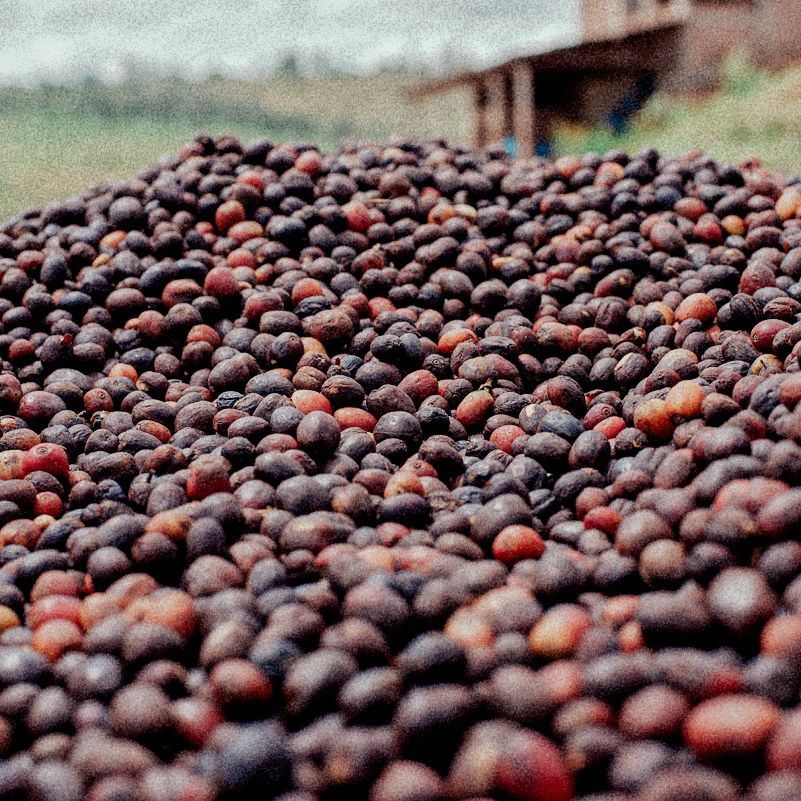
The dry process, commonly known as natural processing, is one of the oldest and most traditional methods used to prepare coffee. Freshly harvested cherries are spread out under the sun and slowly dried until the outer skin changes from red to a deep brown. Once fully dried, the entire outer layer is removed in a single step, revealing the green coffee bean inside.
This method performs best in dry climates, where consistent sunlight and low humidity allow the fruit to dehydrate evenly around the seed—similarly to how grapes turn into raisins. Because it requires relatively limited infrastructure, it has historically been used to produce larger volumes of coffee in regions with favorable environmental conditions.
However, natural processing requires careful management. In humid or unstable climates, drying can slow down excessively, increasing the risk of uncontrolled fermentation, deterioration, or mold development.
Producing a clean and expressive natural coffee therefore demands close attention throughout the drying phase. Even with selective harvesting, some unripe cherries inevitably remain among the ripe ones. If not removed early during drying, they darken and become difficult to identify, potentially compromising the clarity and overall quality of the final cup.