 Cart
(0)
Cart
(0)





Peru
250g
Cup Notes: Jasmine, Ananas, Maple Syrup, Cinnamon, Peach
A remarkably elegant natural Gesha with layered aromatics. Floral jasmine meets vibrant pineapple, followed by the rich sweetness of maple syrup. Gentle hints of cinnamon add warmth, while a soft peach note lingers in the finish.
The natural processing on raised beds enhances sweetness and aromatic intensity, resulting in a structured and refined cup where floral, tropical and warm sugary notes intertwine in a long, clean finish.
Suggested for espresso and filter
when we roast
We freshly roast to order all coffees on Monday, Wednesday and Friday (excluding national holidays), and ship the same day! Cut-off time is 11:59pm (UTC+1) of the day before the roast day. *We only ship whole beans*
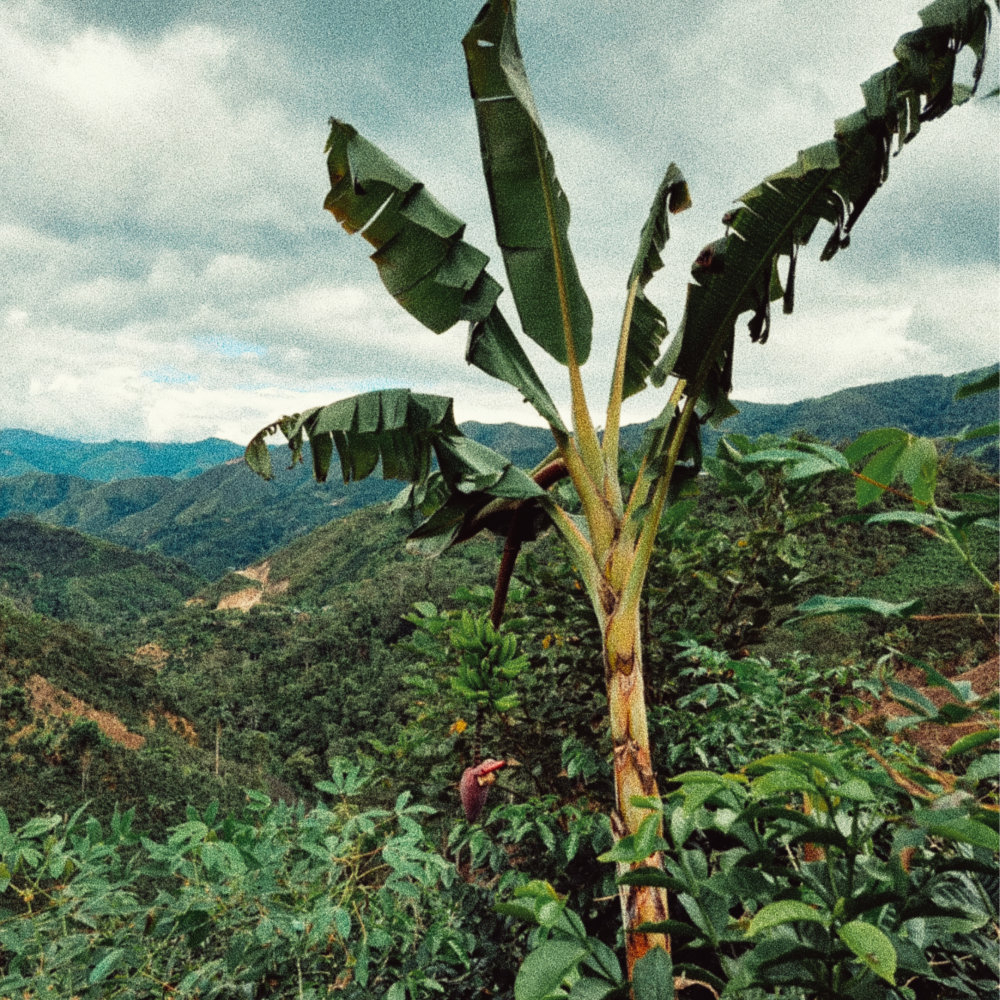
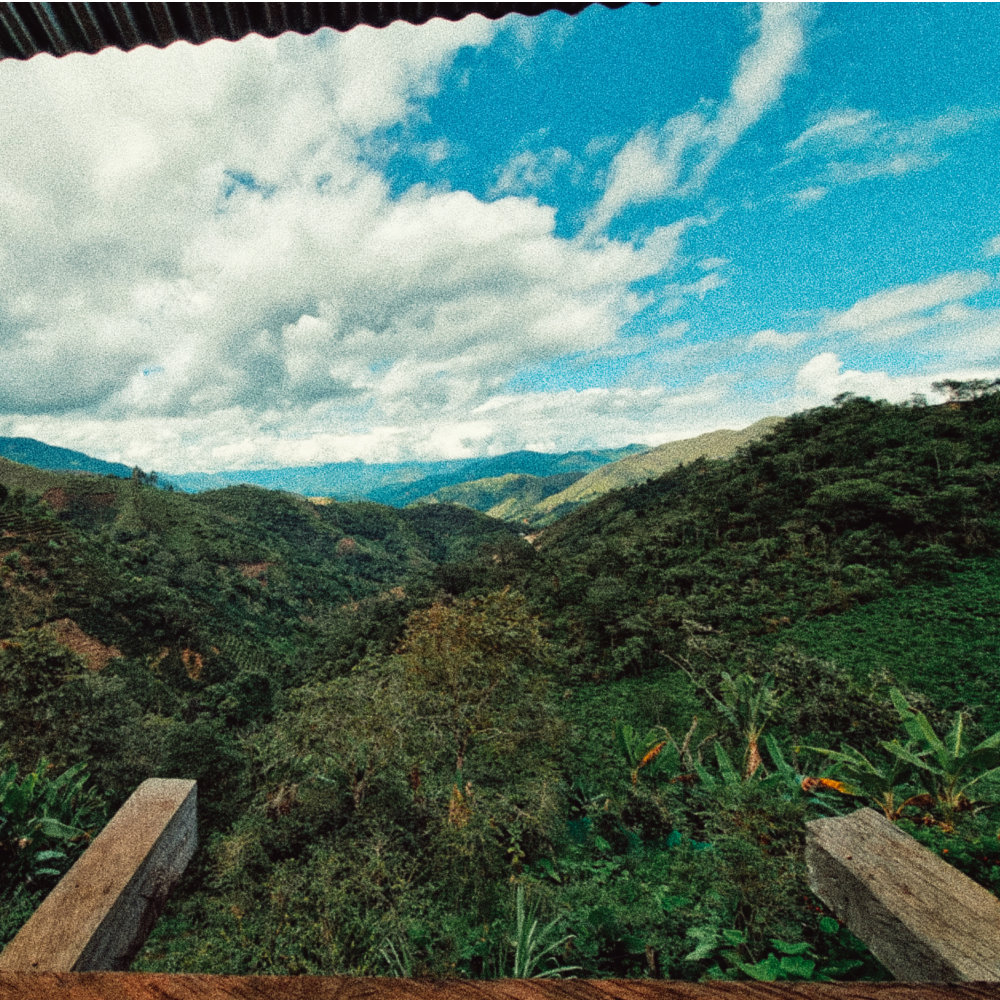
This exceptional Gesha lot is the result of the combined work of three dedicated smallholder producers in the highlands of northern Peru: Marcelino Chinguel Mijahuancca, Idelso Perales Perez, and Paul La Torre Mejia.Each producer manages the processing directly on their own farm. Once the coffee has reached the ideal drying stage, the lots are prepared for export following strict quality control and sensory approval protocols. This ensures that only the finest beans, reflecting the true potential of the terroir, represent this name.The northern producing region of Peru, particularly around Jaén and Moyobamba, has become a focal point for high-altitude specialty coffee. In this area, a transparent supply chain has been established to reward quality-differentiated production. This approach includes ongoing agronomy support and farmer training, which has led to a measurable increase in cup scores and overall coffee health.Sustainability is a key element of this project. Beyond the final flavor, there is a strong commitment to improving soil health and reducing chemical use. These practices ensure that the environment is respected as much as the final product.
Panama Geisha, including the Green Tip Geisha variety, is a rare, complex coffee, beloved for its sweet and floral notes and citrus highlights. Since its debut win at the Best of Panama auction in 2004, this variety has captivated specialty coffee enthusiasts worldwide with its delicacy, complexity, and clarity of flavours.
Producers like Jamison Savage leverage both traditional methods and innovative processes, such as natural fermentation with yeast inoculation, to bring out an extensive range of flavour profiles in the coffees. These techniques allow Panama Geisha’s intrinsic qualities to shine, enhancing the diversity of flavours while maintaining its unique terroir and varietal characteristics.
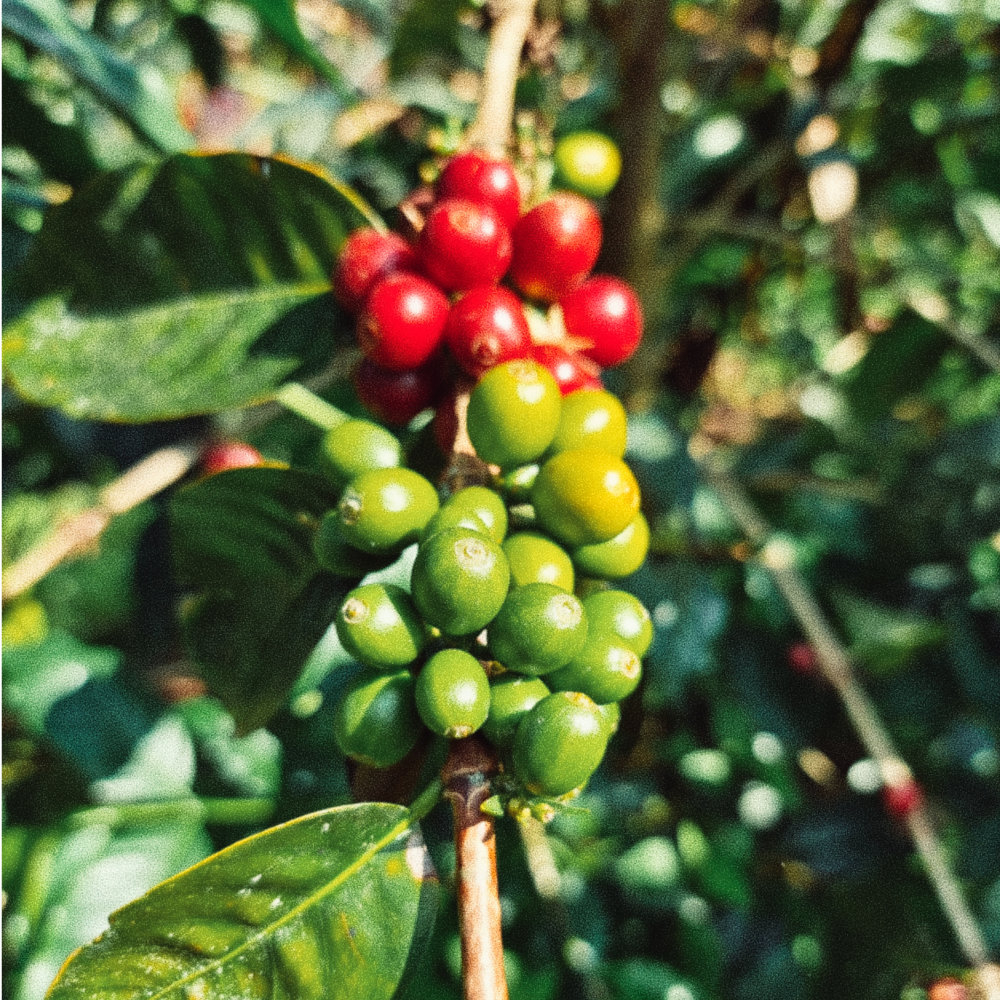
The dry process, often called natural processing, is one of the oldest and simplest methods used to prepare coffee. Freshly picked cherries are spread out under the sun and slowly dried until the fruit skin turns from red to dark brown. Once fully dried, the entire outer layer is removed in a single step to reveal the green coffee bean inside.
This method works best in dry climates where steady sun and low humidity allow the fruit to dry naturally around the seed, much like grapes becoming raisins. Because the process requires little infrastructure, it has traditionally been used to produce large volumes of coffee in regions with suitable environmental conditions.
However, natural processing requires careful control. In humid or rainy environments, drying may progress too slowly, allowing the fruit to ferment uncontrollably, deteriorate, or develop mold.
Achieving a clean and expressive natural coffee therefore demands significant attention during the drying phase. Even with careful harvesting, some unripe cherries inevitably end up among the ripe ones. If these are not removed early during drying, they darken and become difficult to distinguish, potentially affecting the final cup quality.