- New


 Cart
(0)


Uganda
Cup Notes: Elderflower, Pineapple, Raspberry, Red Apple, Chocolate
The legend is back, bolder and more extraordinary than ever! An explosion of vibrant pineapple and juicy raspberry meets the delicate floral elegance of elderflower and the crisp sweetness of red apple, all wrapped in a luscious chocolate finish.
Enhanced by our exclusive Gardelli Red fermentation, this exceptional cup delivers dazzling complexity, electrifying vibrancy, and an unforgettable balance of flavours. A true masterpiece that demands to be experienced!
Suggested for espresso and filter
when we roast
We freshly roast to order all coffees on Monday, Wednesday and Friday (excluding national holidays), and ship the same day! Cut-off time is 11:59pm (UTC+1) of the day before the roast day. *We only ship whole beans*
One of the most iconic coffees in Gardelli’s history is finally back!
The Mzungu Project brings together exceptional coffee, careful processing and a long-term partnership with farmers in Uganda.
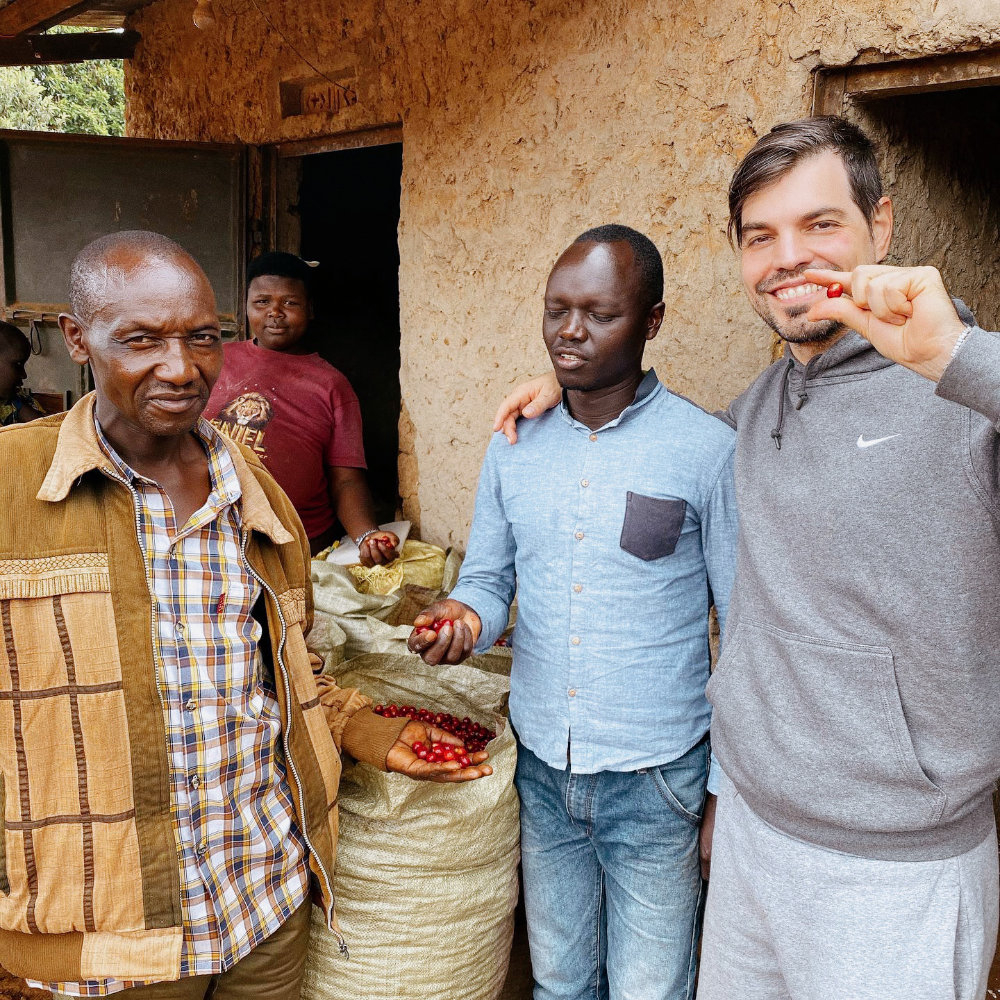
It began when Rubens Gardelli met Francis Kipsang, a small-scale coffee farmer in the Sipi Falls region. Seeing the potential of his coffee, Rubens committed to buying the entire harvest at a premium price, with an additional bonus based on quality.
Rubens developed Gardelli Red, a proprietary natural processing method created specifically for this project. Its aim is to bring out the coffee’s natural flavours and produce a balanced, complex cup.
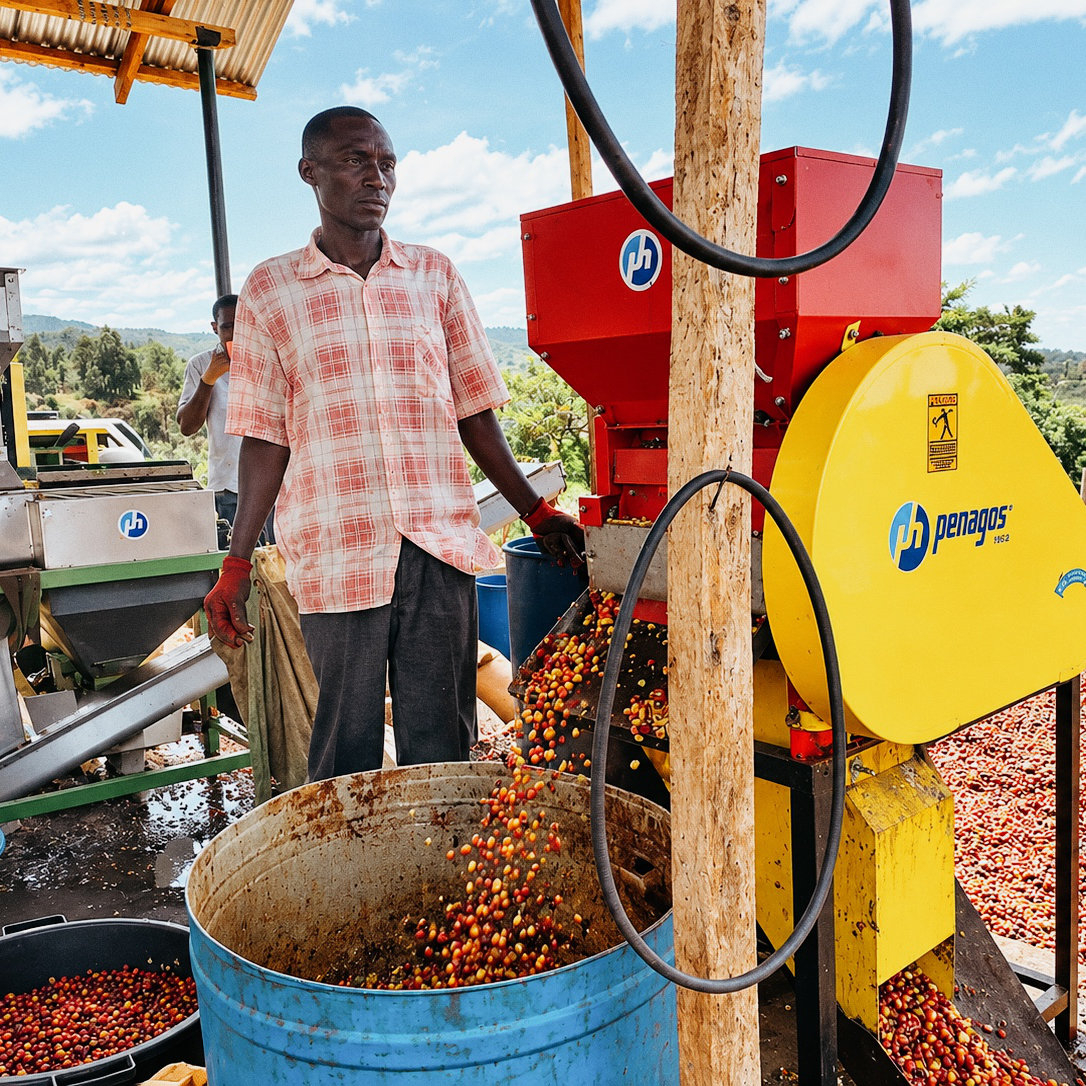
During his visits to Uganda, Rubens also worked alongside local farmers, sharing practical techniques for sorting coffee cherries, managing fermentation and drying. He encouraged women’s participation in coffee production and helped producers improve the quality of their coffee.
For Francis, the partnership brought tangible benefits. The income from selling his coffee helped him build a new home for his family and send his son to university.
Rubens also hopes to build a school for the children of Sipi Falls, giving more young people access to quality education.
Grown at 1900 metres above sea level, this SL28 coffee combines the character of its origin with the distinctive Gardelli Red process. The result is a cup with remarkable complexity and memorable flavours.
The Mzungu Project is about more than what ends up in your cup. It is about paying producers fairly, sharing knowledge and building relationships that create lasting opportunities.
Mzungu also holds a special place in competition history. Rubens Gardelli presented this coffee during the 2017 Italian Brewers Cup (watch the video), and Michael Manhart later brewed it during his performance at the 2017 World Brewers Cup. Following the national champions' open-service presentations, Michael and Mzungu reached first place in the provisional rankings, an extraordinary achievement on the world stage.
Now, after all these years, Mzungu Project makes its long-awaited return. A legendary coffee, an extraordinary story, and a unique sensory experience waiting to be rediscovered.
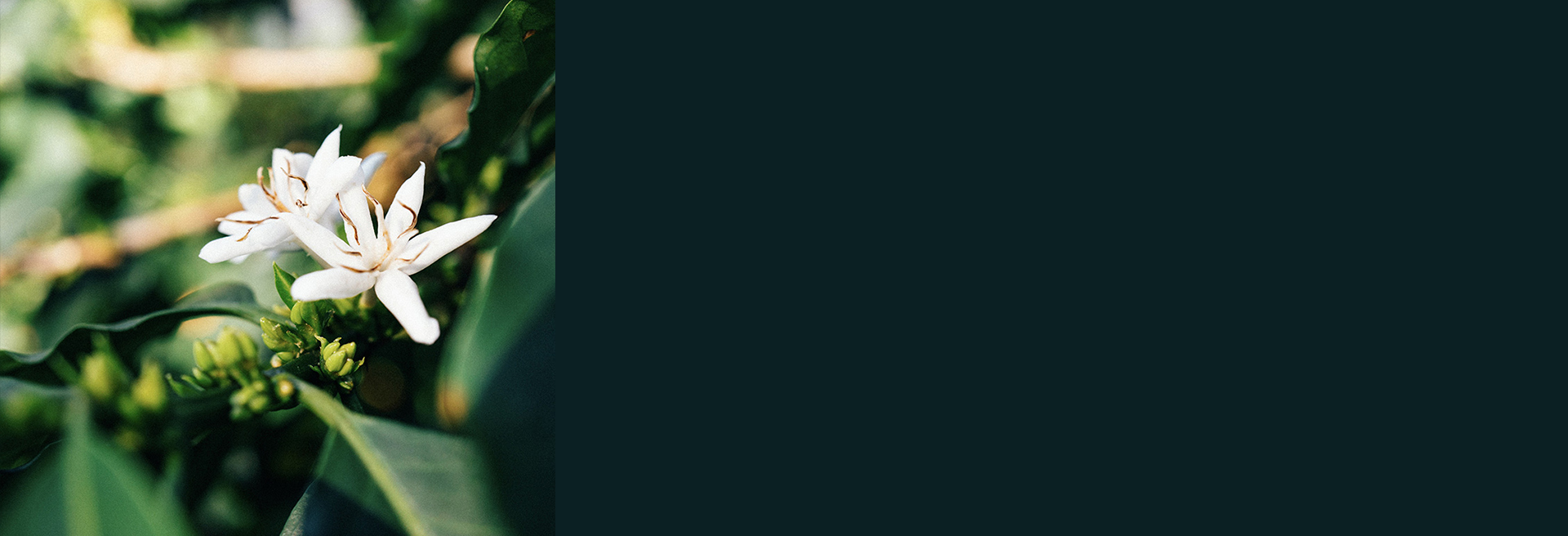
SL28 was selected by Scott Agricultural Laboratories in 1931 from a coffee population known as Tanganyika D.R. Since then, it has become one of Kenya's most renowned coffee varieties, celebrated for its exceptional cup quality.
The plant is characterised by broad leaves with distinctive copper-coloured tips and relatively large beans. Despite its outstanding flavour potential, SL28 is known for its comparatively low productivity.
Although its exact genetic origins remain uncertain, some historical accounts suggest possible connections to French Mission, Mocha, and Yemen Typica varieties. What is clear is that the original breeding programme aimed to develop a coffee plant combining exceptional cup quality, satisfactory yields, and strong drought resistance.
Today, SL28 remains highly prized in the specialty coffee world for its remarkable sensory qualities and distinctive character.
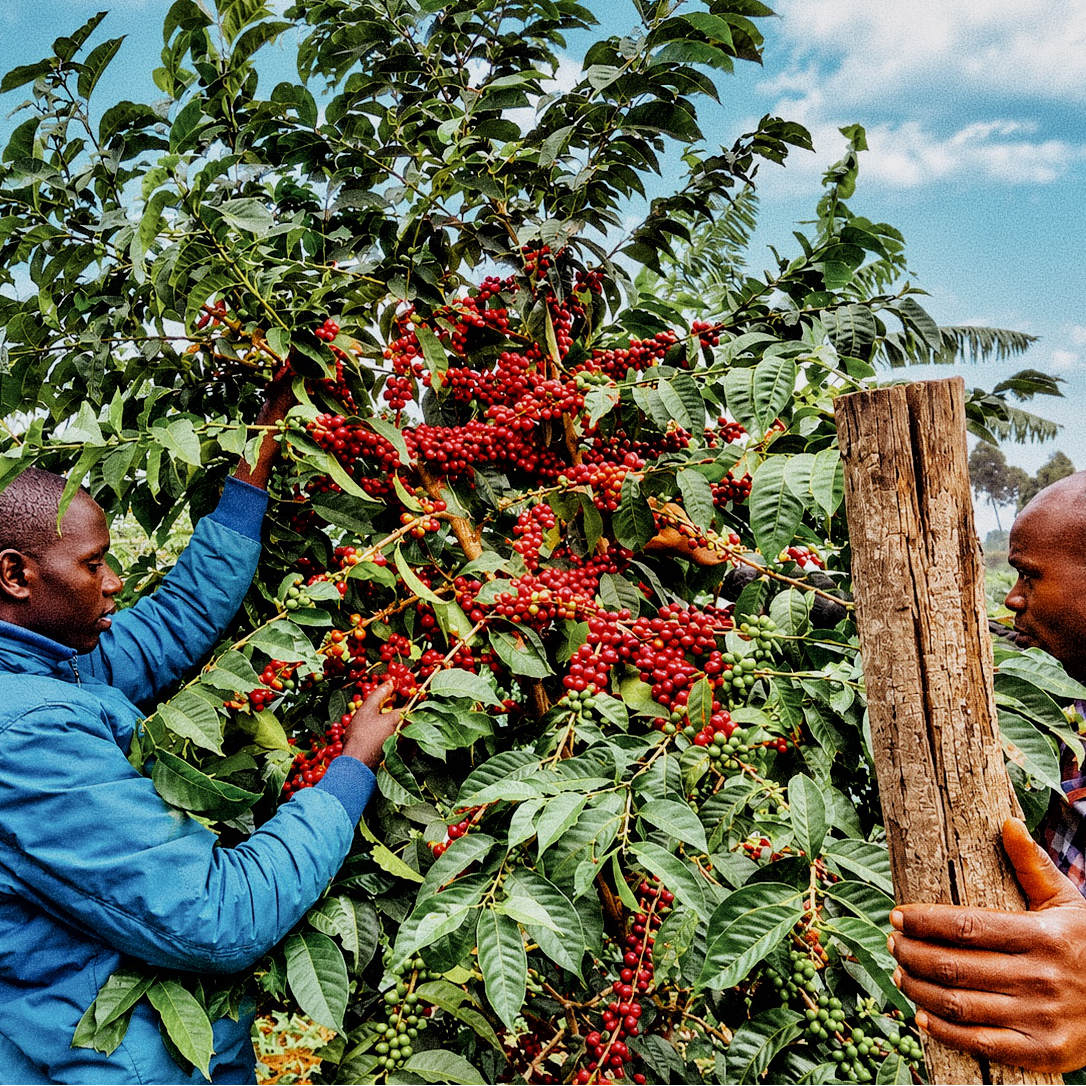
At harvest time in Sipi Falls, Uganda, Francis Kipsang’s team returns to the same coffee trees several times. On each visit, the pickers choose only fully ripe SL28 cherries and leave the others to ripen. They then sort the harvested cherries by hand before fermentation begins.
Experimenting with fermentation has been part of the Mzungu Project since its early days. Rubens Gardelli worked with his local partner, Dison, and local farmers to test different processing methods on seven small lots and compare the flavours in the cup.
For this lot, the team uses Gardelli Red, a fully natural fermentation method developed by Rubens. The fermentation relies on bacteria already present on the skins of the coffee cherries. The team adds nothing during fermentation: no other fruit, flavourings, moulds, bacteria or yeasts. The flavours come entirely from the coffee cherries and their natural fermentation. During this process, the beans take on a distinctive reddish colour.
Rubens developed Gardelli Red over several years of trials, learning both from the results he hoped for and from those that surprised him. Some steps are kept private to protect the method he developed through that work.
After fermentation, the team spreads the whole cherries on raised beds, where they dry slowly for more than 25 days. Once dry, the cherries are hulled to remove the dried fruit and reveal the green coffee beans. In the cup, this harvest has notes of elderflower, pineapple, raspberry, red apple and chocolate.